
Designing a Responsive E-commerce Experience for Smoon Lingerie
Building trust and clarity for a new product category.
Smoon Lingerie is a Paris-based startup launched in January 2019. The brand offers a sustainable alternative to traditional menstrual products by creating washable and reusable period-proof underwear, a category still emerging in the French market at the time.
When I joined as a UX/UI Designer, the company was in its early stage and needed a responsive e-commerce website that could educate, reassure, and convert first-time visitors into confident buyers.
Design a seamless and trustworthy online experience for women discovering period-proof underwear for the first time.
I collaborated closely with the founder to shape not only the product experience but also the brand identity and tone of this new digital presence.
This statement inspired a brand personality that blends innovation, femininity, and confidence.
Through surveys and interviews, we learned that French women primarily use pads (67%) and tampons (57%), while only 17% use menstrual cups. Despite growing awareness, only 34% of respondents knew about period-proof underwear, and 7% had tried it.
Those early adopters were enthusiastic, they praised its comfort, health benefits, and environmental value. However, non-users expressed hesitation and fear:
“I have no idea how to wash this kind of product. I’d be scared of staining my other clothes.”
Julie, 31 yo, Paris
“I would try it if I knew it was 100% safe for my health.”
Sandra, 25, Lyon
These insights made it clear: the website needed to build trust by addressing questions about efficiency, hygiene, and usability.
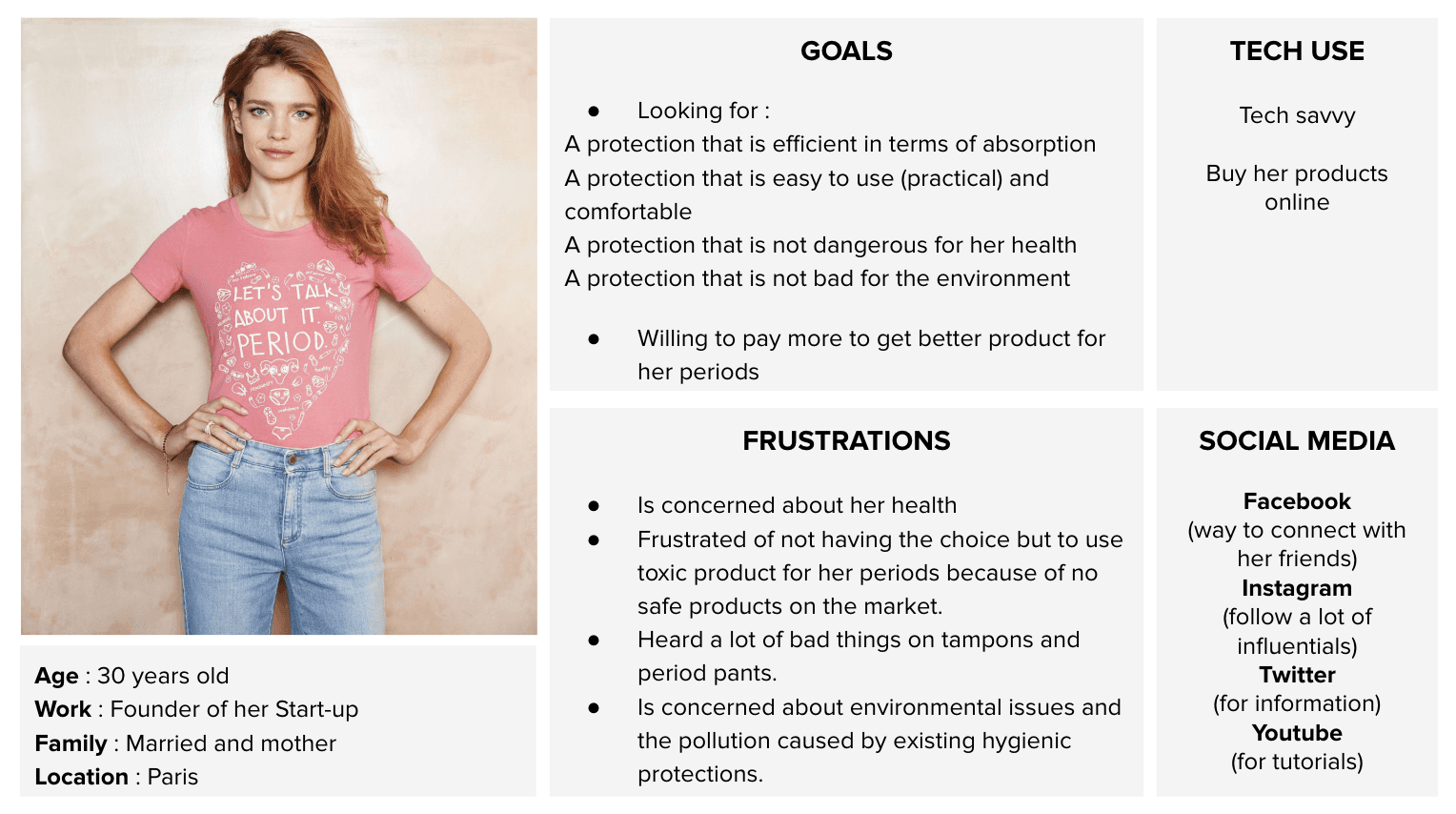
To quickly gain market share, we decided to target non-users, curious but hesitant women who needed information, reassurance, and transparency before making their first purchase.
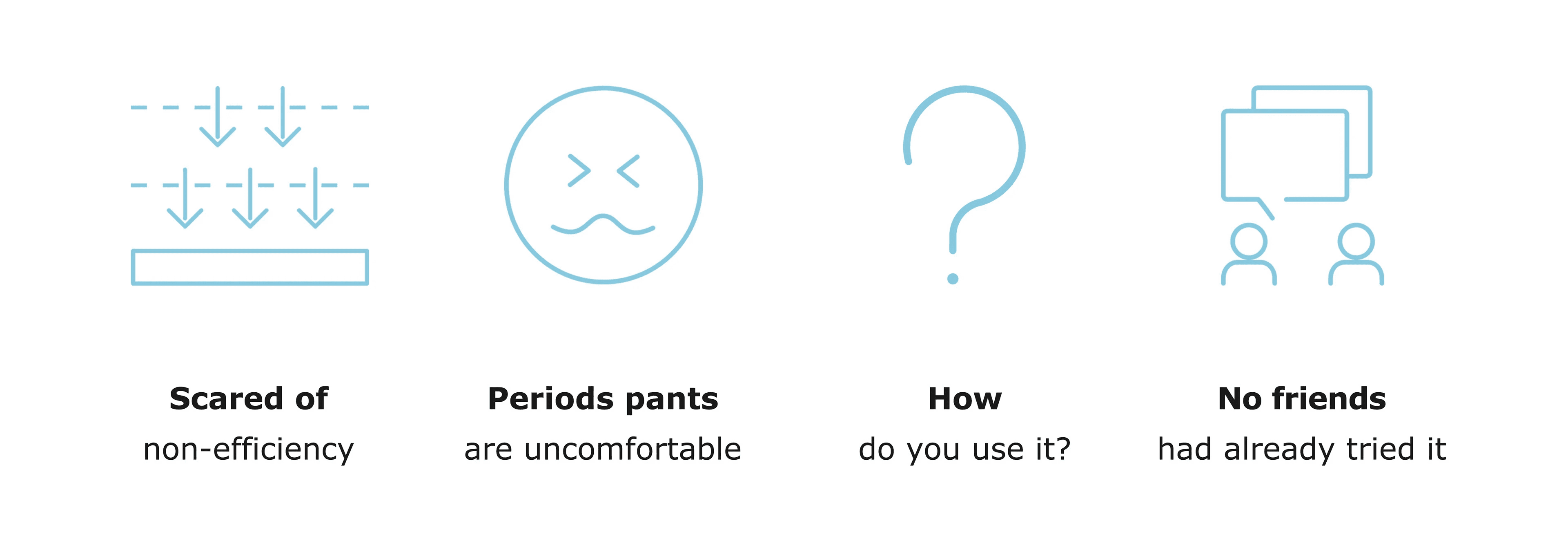
Pain points identified:
Doubts about absorption efficiency and comfort.
Lack of understanding of how and when to use the product.
Minimal trusted information online and few peer recommendations.
Our design goal was to create a transparent, educational, and self-explanatory platform where women would feel confident and reassured to try Smoon’s products.
A clear, feminine, and trustworthy interface that demystifies the technology and makes the buying journey intuitive.
We focused on features that would support early acquisition and validation:
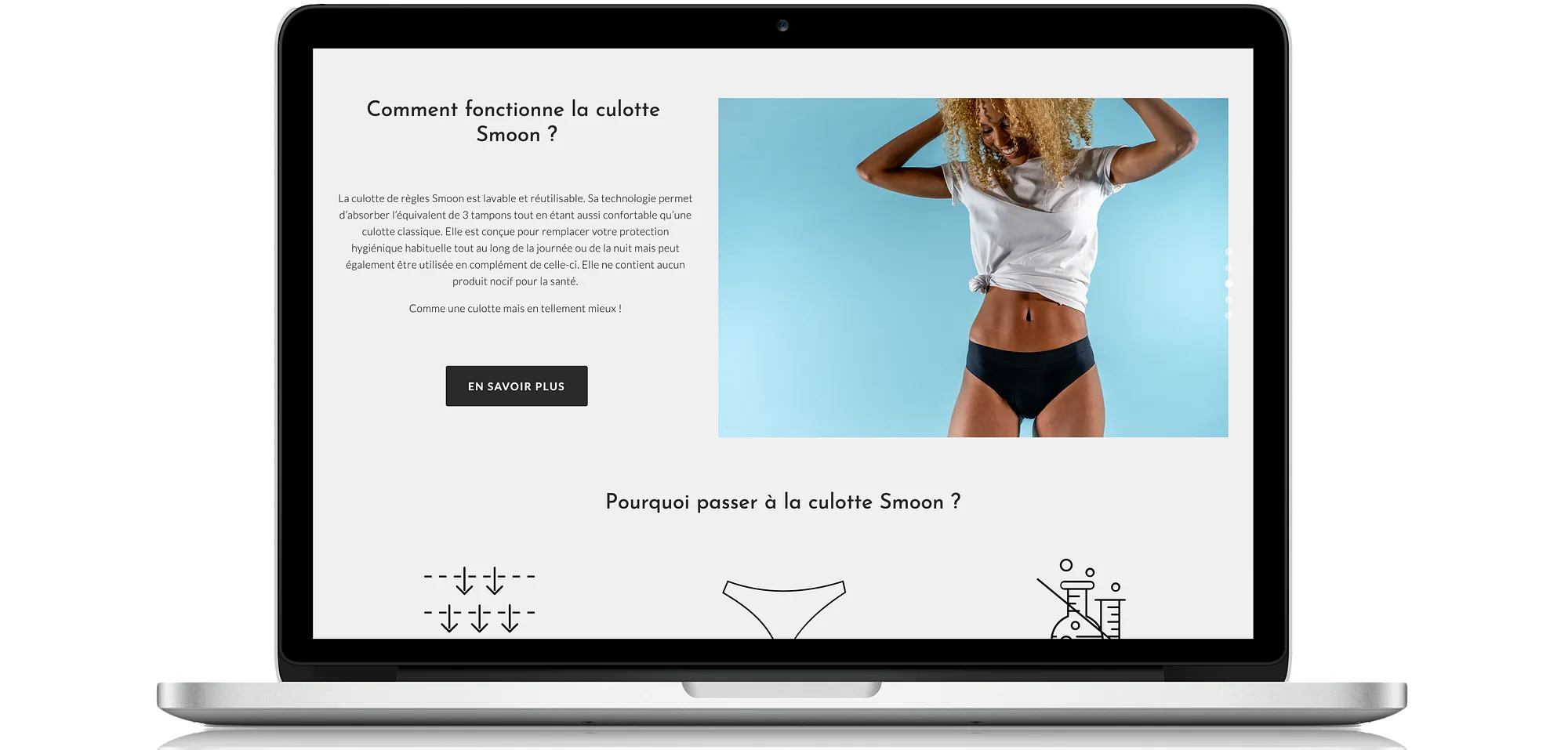
Clear explanation of how the product works
Transparent product and material information
Simple, frictionless purchase flow
Early trust signals (testimonials, reassurance content)
Usability testing helped refine the experience:
Simplified homepage with stronger CTA
Clear separation between educational content
Improved readability and hierarchy
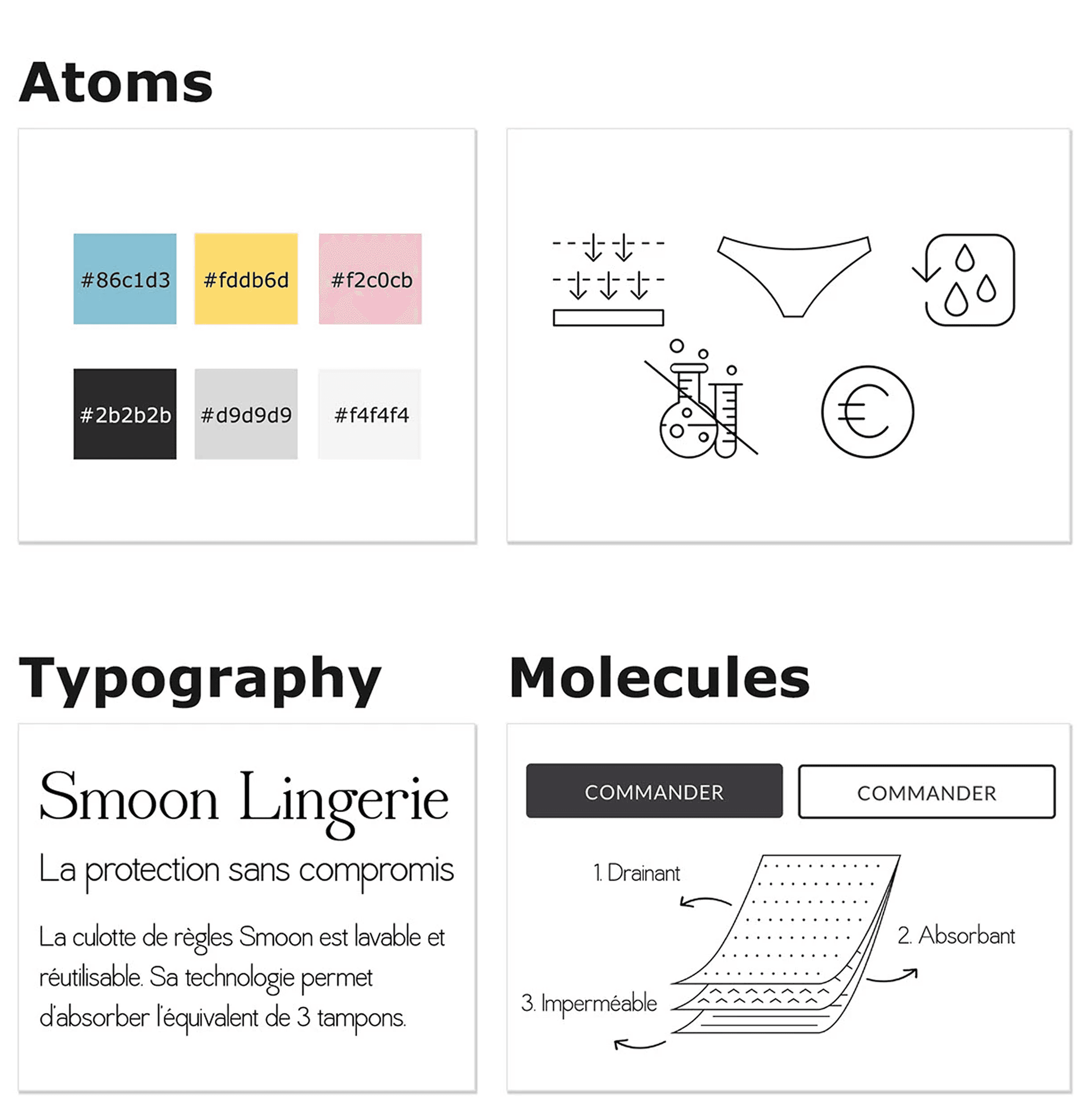
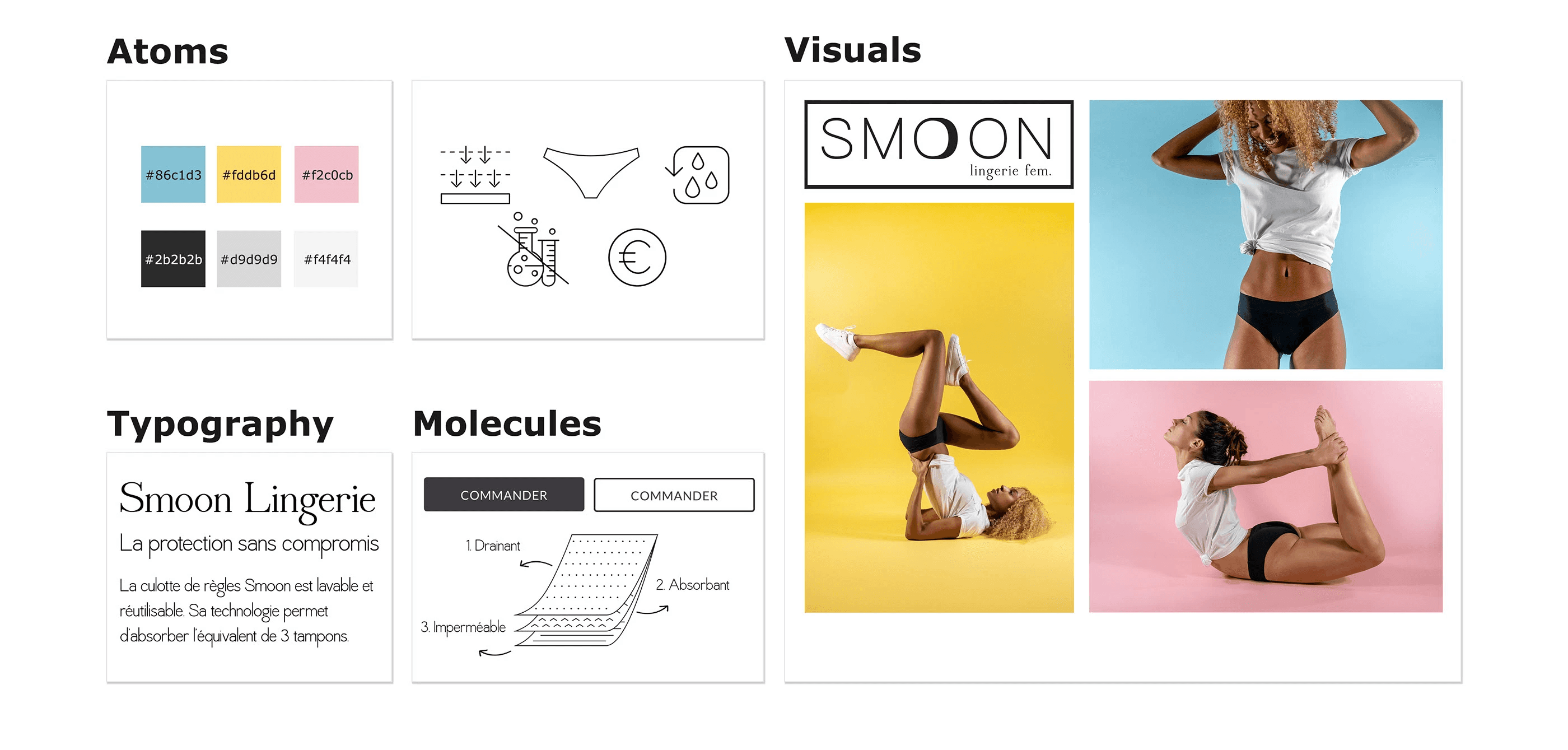
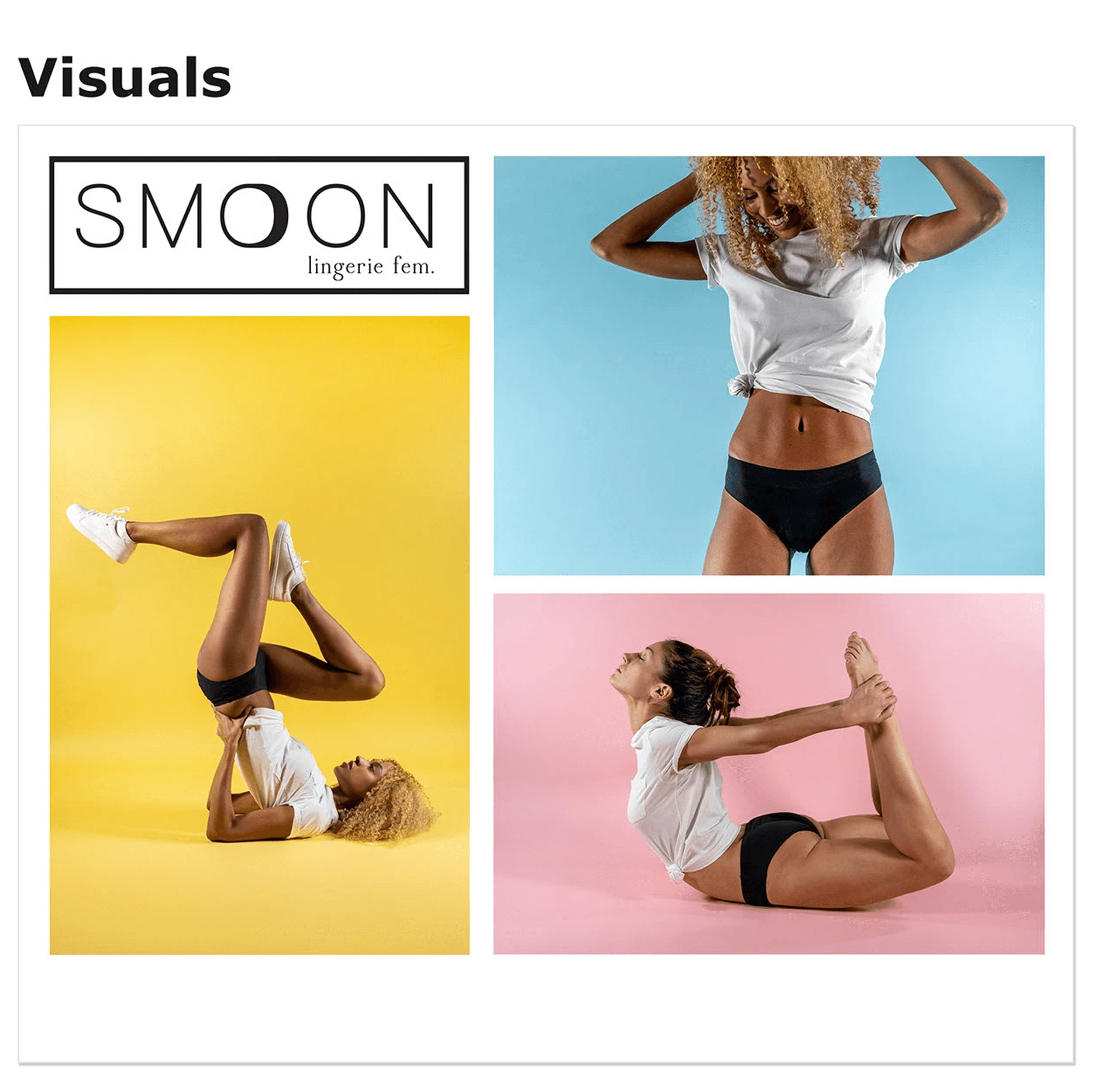
As the brand was still emerging, I contributed to shaping its visual identity:
A tech-oriented positioning in a traditional market
A balance between minimalism, femininity, and innovation
Use of color and iconography to support education and reassurance

We also worked on a brand video to introduce the product and concept to new users.
Creating a storyboard was essential, it helped us focus on key messages and emotions rather than trying to explain everything at once. The result was a short, emotionally engaging video that communicated innovation and empowerment with clarity.
Designing for innovation means designing for understanding
Trust is built through transparency, not persuasion
Simple experiences are often the most impactful
This project was a deep dive into designing for trust and education. It wasn’t just about building an online store, it was about introducing a new behavior and helping women feel safe embracing it.
From research to branding to interface design, this experience shaped my approach to building products that connect business goals, human needs, and emotional resonance.